

A cold shower is often the first sign that an electric hot water system needs attention. It does not tell you exactly what has failed. An electrical supply problem, a component fault, a change in household demand or a plumbing issue can produce similar complaints at the tap. The useful next step is to describe the symptoms clearly and arrange the right assessment.
Baartz Electrical provides electric hot water system connections and repairs for Oakey and surrounding areas. If you need electric hot water system repair in Oakey, this guide explains what information to gather, when electrical expertise is relevant and how to discuss the repair without guessing at the cause.
Describe what has changed at the tap
Start with the difference between no hot water and running out earlier than usual. Was the water cold at the first shower of the morning, or did it cool after several people had used it? Has the problem happened once or become a daily pattern? Note what you have already observed during normal use; there is no need to run large amounts of water as a test.
Also mention whether the issue affects every hot tap or just one shower or basin. A problem at one outlet is different information from a whole-house loss of hot water, although neither observation gives a complete diagnosis. If the temperature has become unexpectedly high, stop using the affected hot water and seek professional advice rather than trying to adjust the heater yourself.
Recent changes are useful context. Tell the service team about visitors, a changed shower routine, a power outage, recent meter work or a previous repair. Include approximate dates where possible. Those details can help the person assessing the system decide what to investigate.
Identify the system before booking
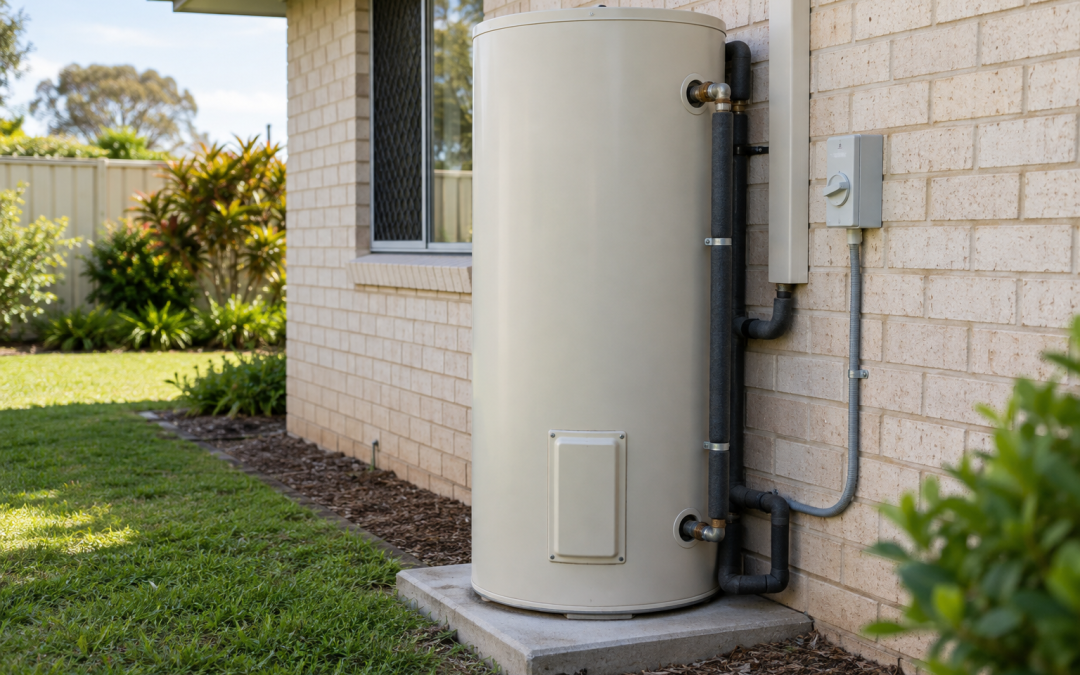
Confirm whether the property has an electric storage heater, a heat pump, a solar system with an electric booster or another type. These systems are not interchangeable when it comes to fault-finding. If you are unsure, say so and provide a photo taken safely from the ground.
The brand, model and approximate age help the service team prepare. Use purchase paperwork or a readable external label, without removing any covers. If access is awkward, send an existing invoice instead. A close-up picture is not worth climbing, reaching over hot pipes or entering an unsafe area.
Let the team know where the heater is installed. A tank beside a driveway has different access arrangements from equipment behind a locked gate or inside a crowded cupboard. For a rental property, include the owner or property manager's contact arrangements and explain who is authorising the work.
Understand when electrical assessment can help
An electric heater relies on an electrical supply and heating controls. Baartz Electrical's published service information explains that its electricians can inspect the circuit, isolator, thermostat, heating elements and related electrical components. That assessment helps establish whether the problem is electrical or whether another part of the hot water system needs attention.
A tripped protective device is useful information to report, but it is not proof that the thermostat or element has failed. Do not repeatedly reset a circuit that trips. Tell the electrician what happened and leave testing and repair to appropriately qualified people. For background on protective devices, see our Oakey guide to safety switches and circuit breakers.
Keep the heater's electrical service cover closed. Do not try to test terminals, bypass controls or change a thermostat setting behind a cover. Queensland's Electrical Safety Office advises using licensed professionals for electrical work. An online symptom list cannot establish that equipment is safe to work on.
Check whether the supply schedule is relevant
Some electric hot water systems use a controlled-load electricity arrangement. That can mean the heater receives power during particular supply periods rather than continuously. The Australian Energy Regulator's Energy Made Easy guidance explains that controlled loads are used for appliances such as electric hot water systems.
If you do not know how your heater is supplied, check the bill or ask the electricity retailer to explain the arrangement. Mention any recent account, tariff or meter change when booking the service. Do not assume that cold water automatically means a network interruption, or that waiting overnight will resolve a new problem.
The heater model, storage capacity, heating opportunity and household use all matter. Your electrician and electricity provider may need different information to investigate their respective parts of the supply. Keep a record of who you contacted and any advice given so the next conversation starts with the facts already established.
Know when the plumbing side needs attention
The electrical system is only part of the hot water installation. A tank or pipe leak, an outlet problem or temperature-control plumbing may require a licensed plumber. Rheem's troubleshooting guidance, for example, identifies tempering-valve problems as one possible explanation for water that is not hot enough. That is a possibility for assessment, not a diagnosis for every lukewarm shower.
Describe any visible water, its apparent location and whether it is new. Do not touch hot discharge pipes, block a relief outlet or open the heater to investigate. Follow the owner's guide for your model and ask the relevant professional what to do next. Where electrical and plumbing work are both needed, ask how the work should be coordinated.
Any shock or tingle from a tap or metal fitting requires immediate attention. Keep people away and contact your electricity distributor straight away, as directed by Queensland's Electrical Safety Office. Do not touch the fitting again to check whether the sensation returns.
Compare the proposed repair with the actual fault
Once the system has been assessed, ask for a clear explanation of the finding and proposed work. Useful questions include which component or part of the supply needs attention, whether plumbing work is also required, what the quote includes and when hot water should become available again.
Check any remaining warranty before authorising substantial work. Keep the purchase date and installation records handy, and ask whether manufacturer involvement is appropriate. If replacement is recommended, ask why repair is unsuitable and which installation work would be included. The decision should follow the system's condition and diagnosed problem, rather than its age alone.
Frequently asked questions
Do I need an electrician or a plumber for no hot water
That depends on the cause. Electrical supply, controls and heating-component faults need appropriate electrical assessment; leaks and plumbing issues may need a plumber. Describe the symptoms and system type when you call so the next step can be discussed.
Does a cold shower mean the heating element has failed
No. It is one possible fault, but supply arrangements, usage and other problems can also affect hot water. A qualified assessment is needed before choosing parts or approving a repair.
Should I keep resetting the hot water circuit
No. Repeated tripping needs investigation. Report the device that tripped and what you noticed, and avoid repeated resets or opening the heater's electrical cover.
What should I send with my repair enquiry
Include your Oakey-area address, system type, brand and model if available, what changed, when it began and access details. Add safe external photos or existing paperwork where helpful.
Arrange electric hot water repair support in Oakey
Contact Baartz Electrical on 0419 753 413 or send a repair enquiry to discuss your electric hot water problem. Our electrical services include hot water connections and repairs across Oakey and surrounding areas. Tell us what you have noticed so we can discuss the appropriate next step.